
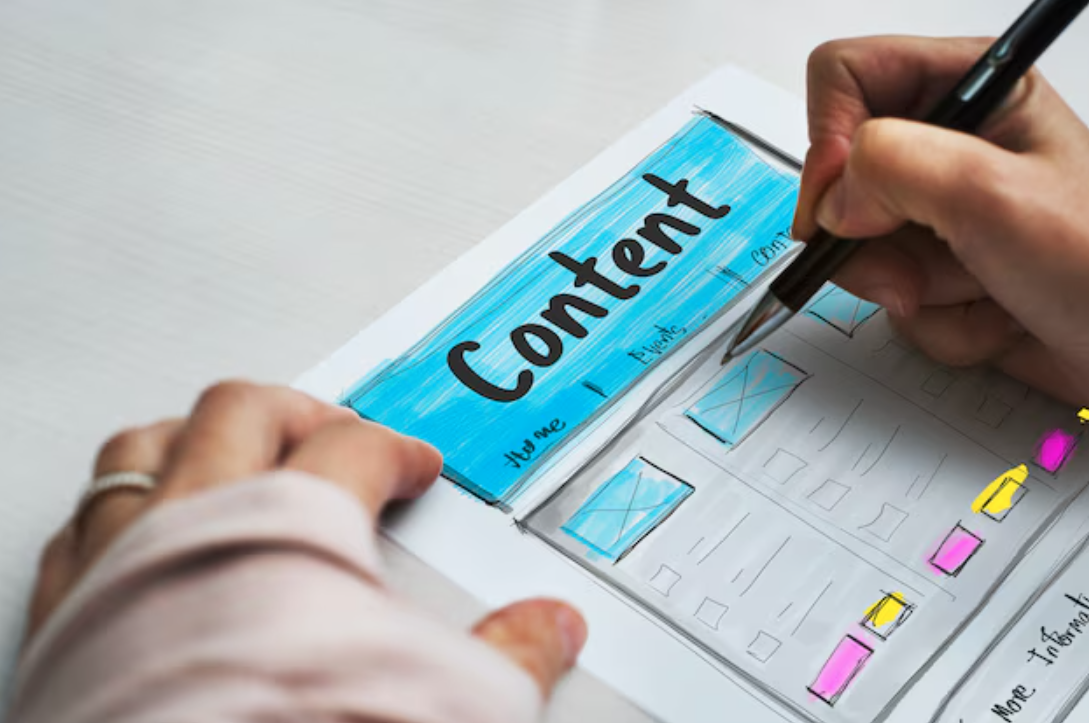
Building a Clear Content Structure That Improves SEO
Content structure defines how information is organized within a page. When the structure is clear, search engines can easily distinguish the main topic from supporting ideas and understand how each section relates to the overall subject.
A strong content structure helps by:
-
Defining topic hierarchy
-
Clarifying relationships between sections
-
Reducing ambiguity in page intent
-
Improving crawl efficiency
Without a structured layout, important information may be undervalued or ignored by search engines.
Establishing a Logical Content Hierarchy
Every page should follow a top-down hierarchy. The main topic appears first, followed by supporting sections that expand on related points in a logical order.
A logical hierarchy ensures:
-
Clear topic progression
-
Better semantic understanding
-
Reduced content overlap
Content structure should always guide readers from broad concepts to specific details.

Using a Single Main Heading to Define the Topic
The main heading represents the core subject of the page. It anchors the content structure and signals primary relevance to search engines.
Best practices include:
-
Using one main heading per page
-
Aligning it clearly with page intent
-
Including the main keyword naturally
A strong main heading sets context for every section that follows.
Structuring Sections with Clear Subheadings
Subheadings divide content into major sections. Each section should represent a distinct subtopic that supports the main theme.
Effective section structuring improves:
-
Readability
-
Topic segmentation
-
Search engine interpretation
Each section should stand on its own while contributing to the overall content structure.
Adding Depth with Subsections
Subsections allow further explanation without cluttering the page. They help break down complex ideas into manageable parts.
Subsections are useful for:
-
Explaining processes
-
Listing criteria
-
Clarifying technical details
This layered content structure improves both user comprehension and SEO clarity.
Aligning Content Structure with Search Intent
Search intent determines how content should be structured. Informational queries require clear explanations, while commercial queries need structured comparisons or solutions.
To align structure with intent:
-
Review top-ranking pages
-
Identify common section patterns
-
Match the order users expect
A mismatched content structure often leads to poor engagement.
Strategic Placement of the Main Keyword
Content structure influences where the main keyword appears naturally. Placement should reinforce relevance without disrupting readability.
Recommended placement includes:
-
The main heading
-
Early sections of the content
-
Selected subheadings
-
Contextual mentions within paragraphs
A balanced structure supports keyword visibility without overuse.
Using Supporting Keywords Within Relevant Sections
Supporting keywords strengthen topical relevance when placed correctly. Each supporting term should appear only within sections where it adds context.
Guidelines include:
-
Limiting usage to two or three mentions
-
Avoiding repetition across unrelated sections
-
Using natural phrasing
This approach enhances semantic coverage without keyword stuffing.
Writing Short, Focused Paragraphs
Paragraph length directly affects how content is consumed. Well-structured paragraphs improve scannability and engagement.
Effective paragraphs should:
-
Focus on one idea
-
Stay concise
-
Transition smoothly to the next section
This format supports a clean and readable content structure.
Enhancing Structure with Bullet Points
Bullet points organize information efficiently and improve readability. They also help search engines identify key details.
Bullet points are useful to:
-
Highlight benefits
-
List steps or features
-
Summarize complex ideas
They should complement paragraphs, not replace them entirely.
Internal Linking Within Structured Content
Internal links work best when placed within relevant sections. They reinforce topical connections and guide users deeper into the site.
Effective internal linking:
-
Uses descriptive anchor text
-
Connects related topics
-
Supports site architecture
A well-planned content structure makes internal linking more natural and effective.
Structuring Content for Featured Snippets
Search engines favor clear answers and structured formats for featured snippets. Pages with strong content structure are more likely to appear in enhanced results.
To improve snippet eligibility:
-
Answer questions directly under headings
-
Use lists or step-based explanations
-
Keep answers concise
Clear structure increases visibility beyond traditional rankings.
Maintaining Consistent Structure Across Pages
Consistency strengthens topical authority. When similar pages follow a unified Page Structure, search engines better understand site relevance.
Consistency should apply to:
-
Section hierarchy
-
Formatting style
-
Content order
This creates a predictable and trustworthy experience for both users and crawlers.
Optimizing Page Structure for Translation
Simple and direct content structure improves translation accuracy, especially when using WPML or similar tools.
Translation-friendly structure includes:
-
Short sentences
-
Neutral terminology
-
Clear section boundaries
A clean structure ensures translated pages retain SEO value and clarity.
Content Structure and User Engagement Signals
User behavior signals such as time on page and scroll depth are influenced by
Page Structure
. Pages that are easy to read encourage longer engagement.
Improved engagement results from:
-
Clear navigation through headings
-
Balanced text layout
-
Logical information flow
Strong engagement reinforces ranking potential.
Question & Answer
What is the main purpose of content structure in SEO?
Page Structure helps search engines understand page hierarchy, relevance, and intent.
How many main headings should a page have?
A page should use one main heading to define its primary topic clearly.
Does Page Structure affect rankings directly?
Content structure supports rankings by improving crawlability, relevance, and user engagement signals.
